
The Weight of Time
The Reason I JumpThis flow follows the book's portrayal of time as difficult to measure, frighteningly unstable, and easier to approach through images and routine.
increasing Bearing strength in each event
 decreasing
Bearing strength in each eventdecreasingTime Without Boundaries
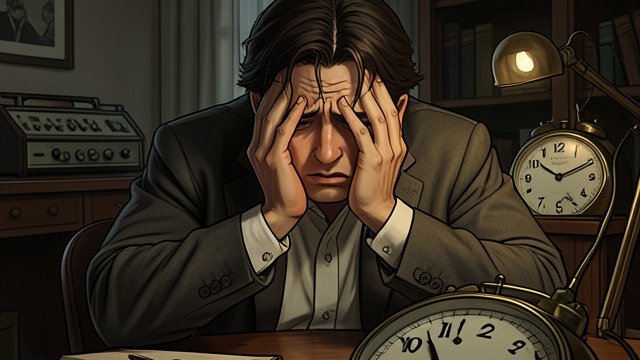
Time Without Boundaries
Hard to grasp
Naoki Higashida describes time as continuous, without clear edges, and therefore difficult to picture or hold. A clock can display its passing without making that passing feel real.
Anxiety about what follows
Because he cannot easily sense the next moment, he worries about what condition he will be in and what problems may arise. The abstract nature of time becomes a source of everyday fear.
A Second and a Day

A Second and a Day
Uneven duration
Naoki Higashida says that one second may feel infinitely long while a full day passes in a flash. The ordinary scale separating short from long intervals does not always match his experience.
Memory as an anchor
Time becomes fixed in memory through visual scenes rather than a stable internal sense of duration. This makes upcoming events hard to anticipate and past events hard to place.
The Cicada's Urgency

The Cicada's Urgency
A summer that never ends
Naoki Higashida compares restless autistic people to cicadas that seem to hurry as though they might miss the summer. Their movement and cries appear driven by an urgent battle against time.
Unease through the day
The image contrasts the short life of the insect with human life while preserving the feeling of constant haste. Restlessness becomes a response to being unsettled in the flow of time.
The Schedule's Double Edge
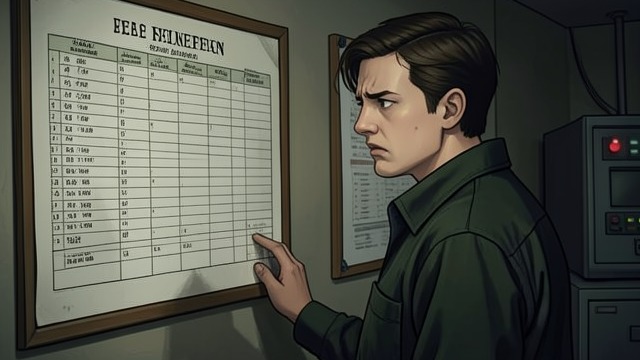
The Schedule's Double Edge
Planning becomes pressure
Naoki Higashida explains that a fixed visual schedule can make a plan feel too definite. If events change, the discrepancy may produce panic rather than reassurance.
A preferred alternative
He suggests talking through the plan in advance, while recognizing that visual aids can help with specific instructions. The question is not whether structure is useful, but whether it makes time feel more rigid and threatening.
Learning to Live with Uncertainty

Learning to Live with Uncertainty
Repeated checking
A vividly remembered schedule can lead Naoki Higashida to check the time again and again. Monitoring whether the present matches the plan can prevent him from enjoying an activity.
Familiarity over control
He believes that discussion and practice may help a person understand a day's plan without depending on fixed pictures. The long-term aim is not perfect prediction, but greater ease when events shift.
in the answer about having a sense of time
in the same reflection on time
in the prose interlude about restlessness
in the answer about visual schedules
near the end of the discussion of daily plans
